Civilians may not be aware of the challenges veterans face when transitioning from active duty to civilian life. With not everyone fully understanding what you will go through, the success of your civilian career will highly depend on your ability to adapt.
When you leave behind military life and join the civilian world, there are quite a few hurdles that you may find along the way. Some veterans choose to go through a transition assistance program (TAP), while others seek job opportunities to better prepare for life. The earliest age at which individuals can enlist in any branch of the U.S. military is 17, and most of them chose to opt-in at 21. With many formative years spent in the military, this leaves very little room for soldiers to understand civilian life and responsibilities. In this article, we aim to share some career advice for veterans looking to return to the civilian world. We will show you what hiring managers are looking for and possible careers that complement your skillset.
01 / 06The first step
Once a vet leaves the military, they are met with all sorts of responsibilities and possible issues in life. These can range from personal finance to a slow military transition. This is a time where you will find it hard to implement your training and experience in the real world or to use your skills in a new career path. Thankfully, the right transition assistance program (TAP) can do wonders for you in this situation. The program will help you recognize how to put your military skills to good use and become an active participant in the community.
Put it into practice
Pick the program that teaches these skills.
Every program is certification-based and taught live by instructors.
02 / 06Adapting through work
For many former members of the National Guard, Air Force, and other military veterans, job searching is inevitable. Your savings plan may not be enough to cover the expenses of your life after the military.
Many veteran jobs can benefit from military training. Hiring managers love disciplined and hard-working individuals, which you will possess. However, your current level of education might keep you from qualifying for certain career paths.
Finding military-friendly employers isn’t an easy task. While many employers out there value workers with military experience, a significant number of them will overlook the value of hiring such a person. MyComputerCareer had to work hard before becoming eligible for a Military Friendly Designation.
03 / 06Education elevates career development
There are many career paths a military vet can explore. However, civilian employment is changing by the day, and without a certain level of knowledge, you can’t expect to land a job of your choice.
Almost all career paths are only available for certified professionals. By having access to educator resources, a vet can always request information and get a better insight into the civilian workforce and learn about new careers paths.
Obtaining new knowledge won’t only help with better resume writing but will also provide valuable advice for veterans and prepare them for the challenges ahead. MyComputerCareer is an organization that helps veterans get certified in Information Technology (IT). We also offer our students aid in finding employment. If you have any questions or are interested in becoming IT certified, contact us today!
04 / 06Certifications validate your skill sets
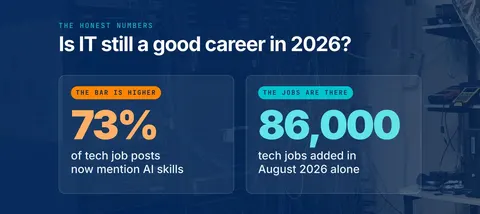
Exploring different post-military careers is a lot easier if you have a few certifications to show along with your resume. With the obvious education benefits, certifications also help you land many jobs for veterans. With the rise of information technology, there has been a constant increase in demand for qualified personnel such as cybersecurity and network experts.
Cybersecurity is only one of many job positions veterans should explore. The IT industry is undoubtedly becoming more military-friendly, but certifications still establish trust and validate your level of knowledge. Expanding your education makes life after the military easier for you and your family, but certifications will always serve as a bonus to your already rich experience and background.
Talk to an Enrollment Advisor
Programs, cost, funding and start dates, in one conversation. No obligation.
05 / 06The IT industry is a veteran-friendly environment
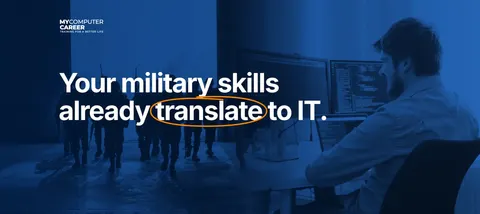
By looking at the current state of the IT industry, it is easy to notice that it is continuously growing with more jobs for veterans becoming available. The increase in demand for IT services has led to staffing shortages, and this has left a door open for many veterans that want to adjust to civilian life. Depending on your line of service, using the military skills translator can help you find the corresponding job position in the IT industry. They may seem different, but information technology and the military have a lot in common. Since both value discipline, loyalty, and self-management skills, it shouldn’t come as a surprise that more and more veterans are opting in for an IT career after they have completed their service.
The dynamic environment may also have a positive impact on your mental health as well. It is important to interact with the community and perform networking whenever possible. This minimizes the risk of feeling alienated and depressed but also opens new windows of opportunity when it comes to career development and self-improvement. There are quite a few IT job titles that closely resonate with your military experience. Here are some examples:
- Commander – Senior Manager
- Executive Officer – Deputy Director
- Field Grade Officer – Executive or Manager
- Company Grade Officer – Operations Manager
- Warrant Officer – Tech Specialist
- First Sergeant – Staff Manager
- Senior NCOs – First-Line Supervisor
- Supply Sergeant – Supply Manager or Logistics Manager
- Squad Leader – Team Leader
- Operations NCO – Operations Supervisor
- Infantry – Security Force
06 / 06Conclusion
Depending on your ambitions and goals in life, you may choose to do different things after leaving the military. Time has shown that veterans prefer joining the civilian workforce for various reasons. Education and self-improvement could be a few of them, but the similarity to their previous work environment certainly plays a part in this as well. The IT sector has shown a military-friendly approach over the past few years since individuals with military experience tend to perform a lot better in work than others. Discipline is a virtue the IT industry is lacking right now since the current workforce is tempted with constant distraction and information overflow.
By joining MyComputerCareer and enrolling in one of our many courses, you, like many veterans before you, can become a certified professional. We take good care of our candidates, help them find work, provide valuable advice with resume writing, and also help you during your job-seeking process. Contact us today and find out more about what MyComputerCareer can do for you, we’d be happy to give you some IT related career advice.
FAQ
Questions about this story
What is the first step a veteran should take after leaving the military?
Why does the post say certifications matter for veterans entering the civilian workforce?
How do military ranks compare to IT job titles?
Written by
MyComputerCareer Editorial Team
Career Education, Certifications & IT Workforce Research
Our editorial team partners with enrollment advisors, certification instructors, and industry employers to publish guidance grounded in real hiring data. Every article is reviewed for accuracy against current BLS labor statistics, vendor certification roadmaps, and the latest DoD Directive 8140 requirements.