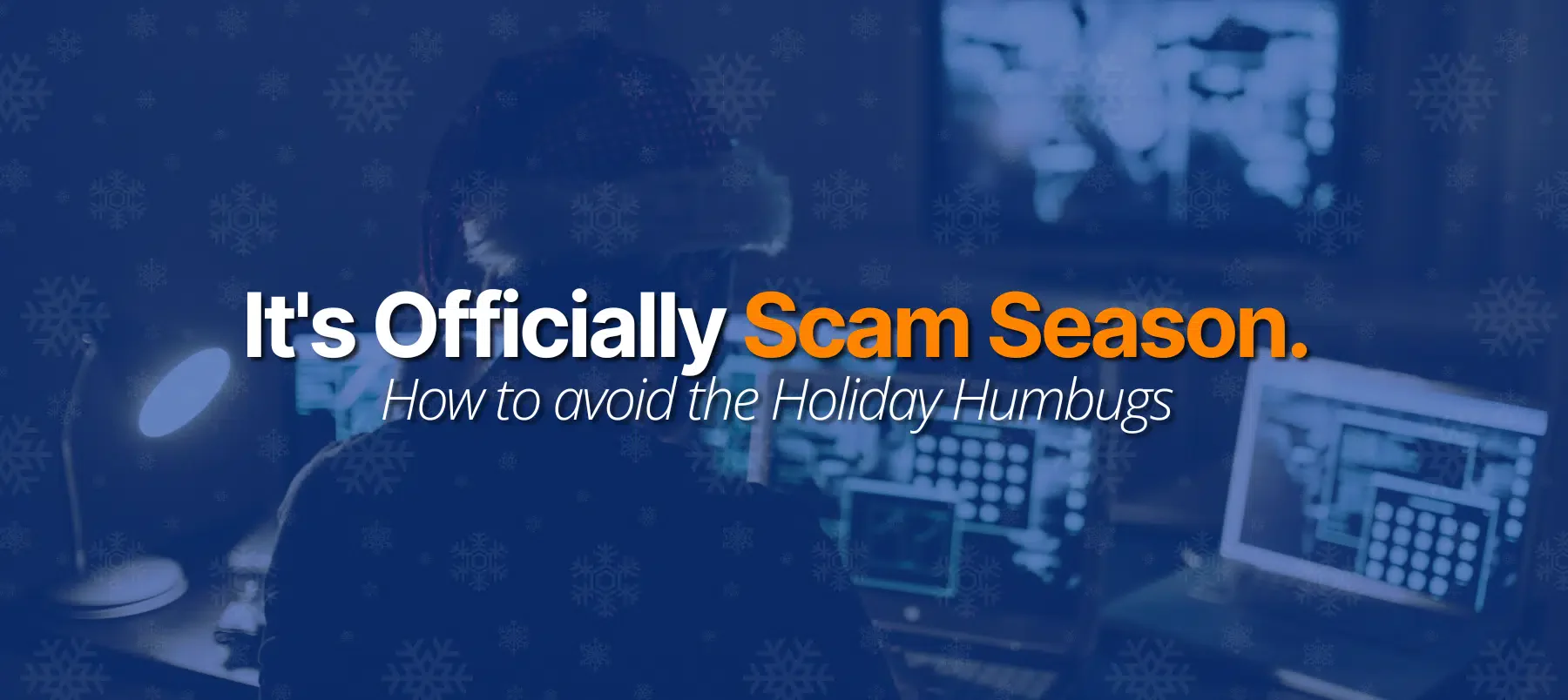
As people hunt for the best deals and hustle to finalize their shopping lists this holiday season, they tend to focus more on spreading joy than on cyber safety. That’s something cybercriminals capitalize on.
In 2024, nearly half of U.S. online shoppers were targeted by a scam while shopping during the holidays. And with shoppers expected to spend more this holiday season, scams will undoubtedly also increase. In total, Americans lost $16.6 billion in 2024. How can busy shoppers stay safe during the holiday online shopping season?
AI-Powered Scams
AI is everywhere, including in cyber attacks. One of the biggest threats in 2025 is scammers using AI to create convincing fake e-commerce websites. That means the old standards for scam detection (such as looking for fishy customer reviews, typos, and poor website design) may no longer be useful. These AI-generated online storefronts look incredibly professional and can be hard to distinguish from real retailers.
Scammers have long used phishing emails and texts, but AI makes the messages more sophisticated. Scammers can use AI to craft email and text messages that sound like someone they know, even referencing real work projects, recent emails, or their known contacts. These days, "standard" phishing emails aren’t that common. Instead, scammers use AI to create deepfakes of executives asking for money, private data, or emails that mimic a company’s style, branding, and voice.
Over Black Friday 2024, global holiday-themed phishing attacks increased 327%. AI makes it easier for scammers to mass-produce personalized phishing attempts, so that number could go even higher in 2025.
What’s New for Scammers in 2025?
It used to be that scammers would send suspicious emails or try to mimic an online payment page. But today’s scammers are more sophisticated and prolific, meaning that scams are nearly everywhere, and they’re more diverse than ever.
Scammers are increasingly coordinating attacks across numerous platforms, including social media, email, and texts, to appear legitimate and reach more shoppers. Nearly 75% of scam attempts begin via email, social media, text messages, or a messaging app, often across multiple channels.
What else are scammers up to in 2025? Here are some other emerging scams to watch for:
- Delivery scams. Cybercriminals fake package notifications via text or email and ask for payment or personal information. In 2025, scammers are expected to capitalize on legitimate supply chain disruptions and product shortages to create convincing excuses for non-delivery.
- Gift card fraud. It seems like a normal gift card purchase until victims are told to pay fines or service fees. Scammers also often steal funds from gift cards, leaving shoppers with an empty card and an empty wallet.
- Phony charities. As people feel generous around the holidays, scammers set up fake charities to collect donations that don’t go to their intended cause. Before donating, it’s important to verify the charity’s legitimacy through a third-party organization.
- Seasonal job scams. Especially around the holidays, scammers post fake job listings that require upfront fees or personal info that gives them access to your data. And there’s never an actual job.
- Travel scams. Shoppers looking for a holiday often fall for nonexistent cheap flights or vacation packages.
How To Protect Yourself
Knowing what scammers are up to is one thing, but how do you protect yourself this holiday season?
Follow these tips to avoid getting scammed:
- Always look for "https" in the website address and check the URL for misspellings before entering any personal or payment information.
- Purchase gift cards only from retailers you know and trust.
- Ignore unsolicited offers of free or discounted gift cards. If it comes out of the blue or is too good to be true, it probably is.
- Book travel only through reputable agencies or directly with airlines and hotels. Watch third-party websites and use them as a reference for price estimates.
- Track deliveries through official retailers or shipping services, not from unsolicited emails or texts.
- Use payment cards with fraud protection so you’re covered no matter what happens.
- Stay informed about current trends and be vigilant as you shop online. Before buying from an unknown seller, search online for the company name plus "scam" or "reviews" to see if others have reported fraudulent activity.
The holidays are stressful enough without adding a scam to the list. Know the trends, look for the signs, and stay smart and aware this holiday shopping season.
- Russ Munisteri, CISSP, is a program chair and lead instructor at MyComputerCareer
Talk to an Enrollment Advisor
Programs, cost, funding and start dates, in one conversation. No obligation.
FAQ
Questions about this story
How common are online shopping scams during the holidays?
How are scammers using AI in holiday scams?
What new holiday scams should shoppers watch for in 2025?
How can I protect myself from holiday shopping scams?
Which channels do holiday scams usually arrive through?
Who wrote this holiday scam guidance?
Written by
MyComputerCareer Editorial Team
Career Education, Certifications & IT Workforce Research
Our editorial team partners with enrollment advisors, certification instructors, and industry employers to publish guidance grounded in real hiring data. Every article is reviewed for accuracy against current BLS labor statistics, vendor certification roadmaps, and the latest DoD Directive 8140 requirements.